
ARTIS FACTA x PARIS DESIGN WEEK 2024A project created and curated by Sylvia Sánchez Montoya for Leherpeur Paris
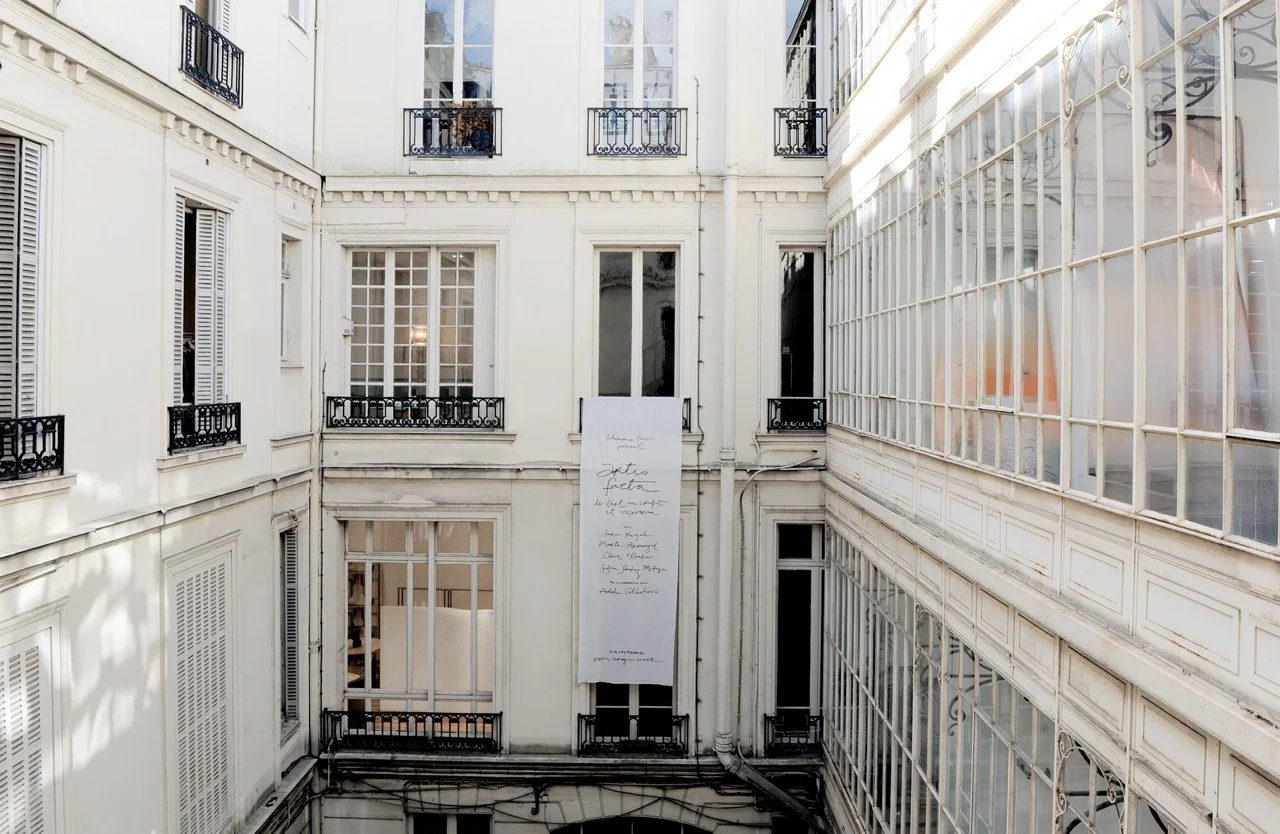
Fashion object, luxury object, lifestyle object, art object… What happens to the object when it becomes necessary to consume less?
LeherpeurParis presents ARTIS FACTA, a series of reflection exploring the evolving role of the creative Object in a post-transition world. The new economic, ecological, and societal challenges are pushing us to naturally prioritize, starting with the essential and then moving to the useful.
In this context, what holds value? Every object that is designed, crafted, sold, and purchased has an impact, but it also carries meaning: it can be useful to its user, showcase craftsmanship, drive human progress, or even stir emotions. For the first phase of this journey, LeherpeurParis gives carte blache to artist Sylvia Sanchez Montoya to curate this exhibition showcasing alongside three artists from Mallorca’s new wave: Marta Armengol, Sara Regal, and Claire O’Keefe.
Through their lens, the object becomes a manifesto: it reflects the materials, manufacturing techniques and the societal vision of its creators. It shifts from simply being a product of consumption to a “signal object.”


ROOM IBeauty in imperfection
An immersive corridor featuring Claire O’Keefe’s series Error en el paisaje, printed on viscose for the occasion and taken out of the frame, inviting visitors to move across and be moved by the works
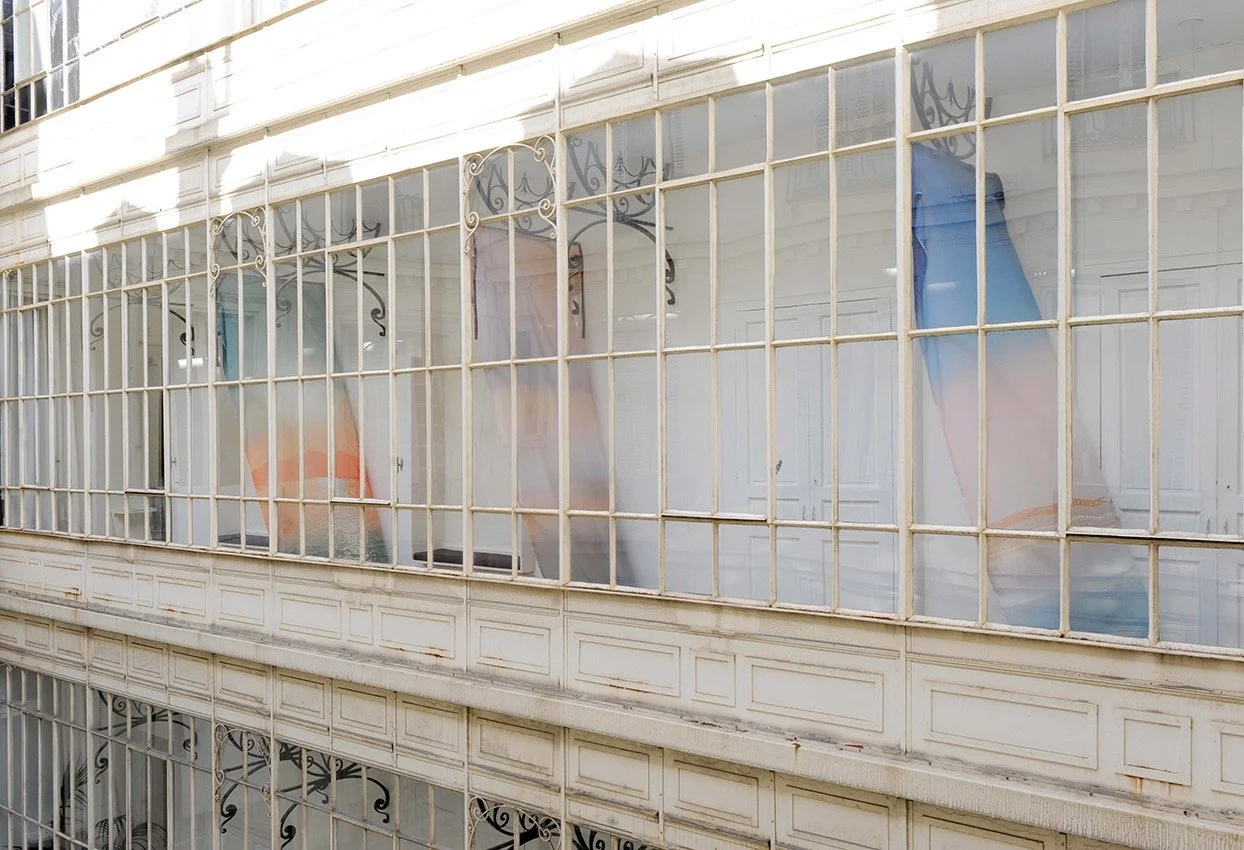
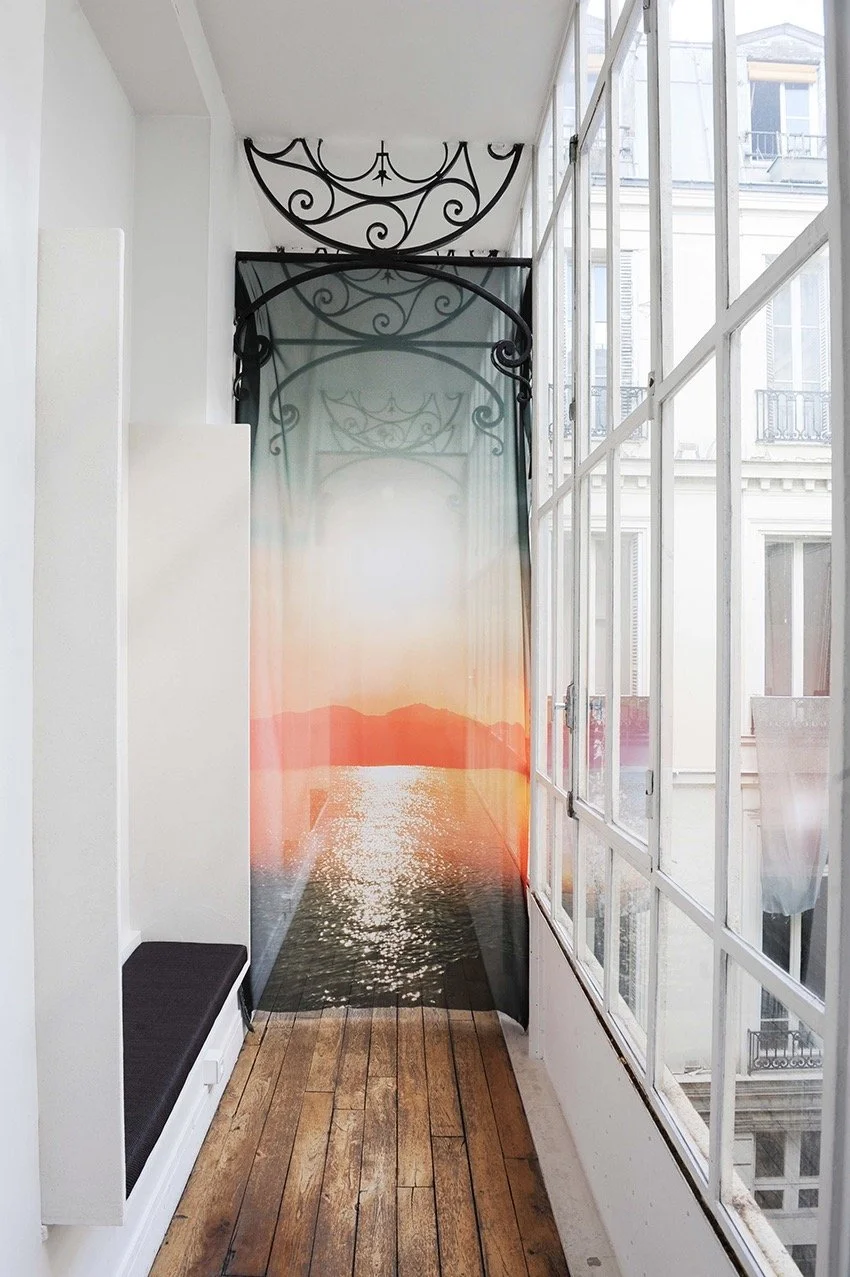

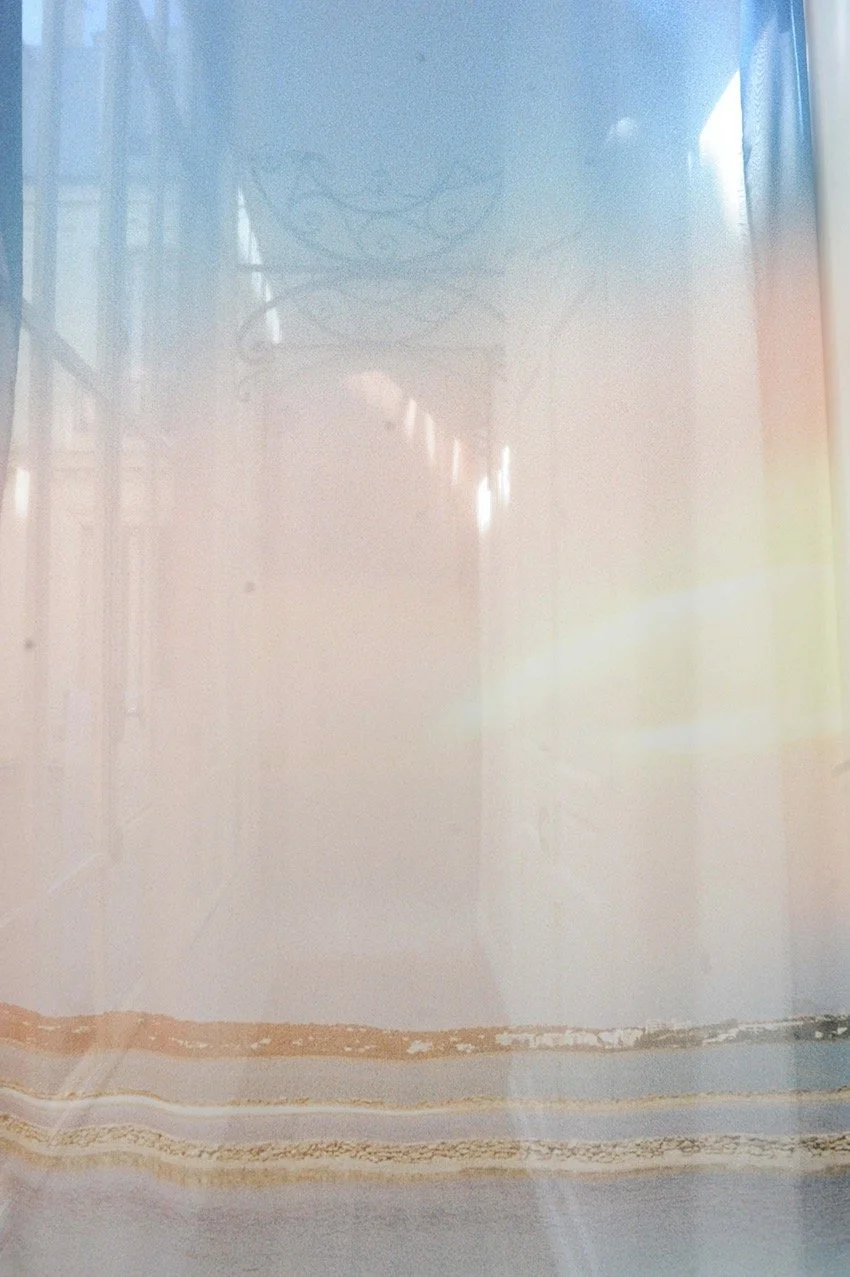
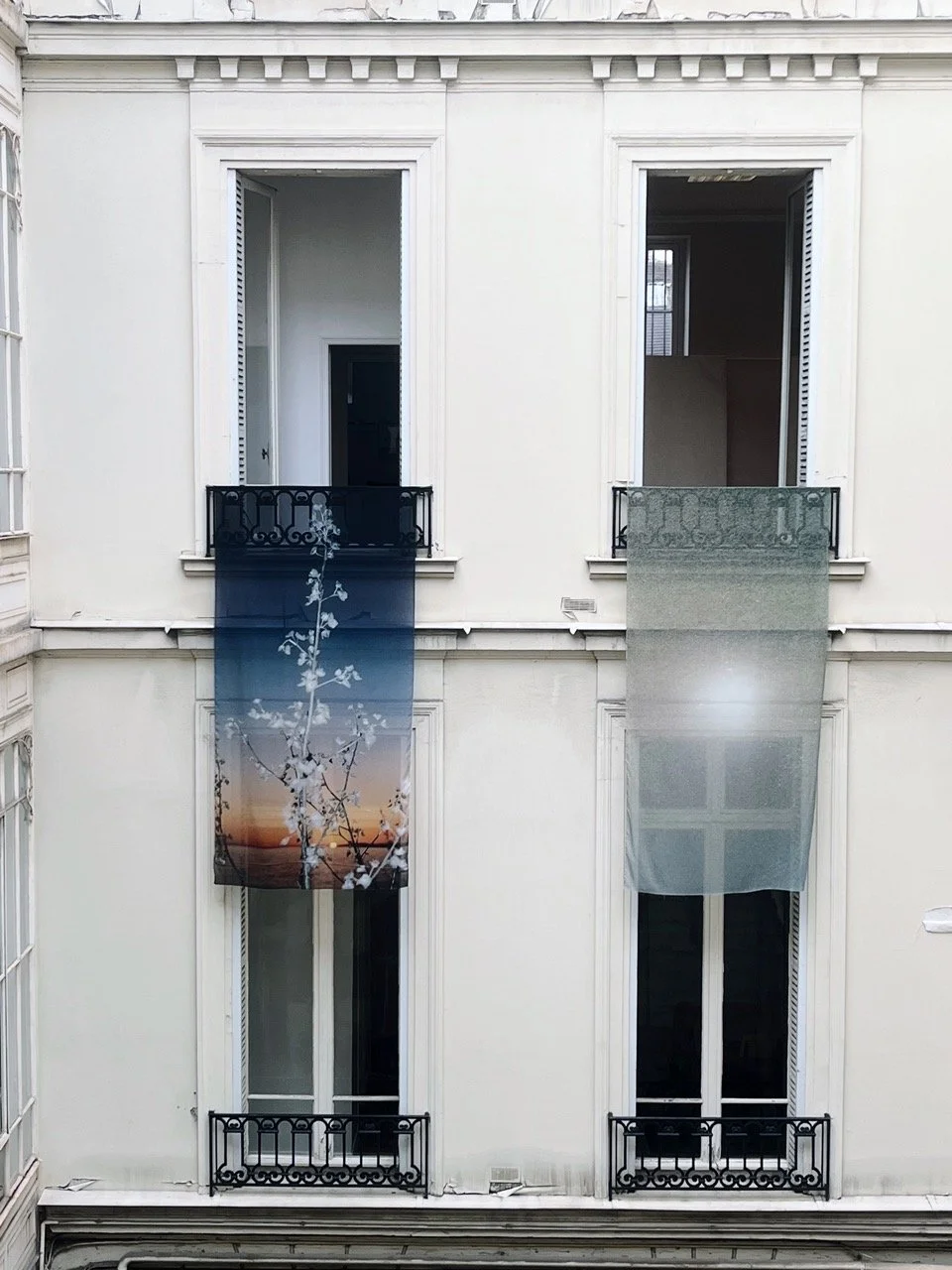
Artistic works that stem from accidents or mistakes are often referred to as “fortunate accidents”. They occupy a unique and intriguing space in the history of art and creation. Claire O’Keefe beautifully captures this idea in her analog photo series Error en el paisaje, where she notes, “These are errors we might overlook at first since they aren’t the perfect shot, but they resonate deeply with me and inspire me immensely.” Such works emerge from the unexpected and the unplanned, even from clumsy moments. Yet they reveal a kind of beauty and depth that may have been impossible when intended. This invites us to embrace imperfection, explore randomness in design, and challenge the boundaries of traditional norms.
Over time, design has undergone different phases, often embracing functionalism and rationalism. In fact, this relentless pursuit of rationalism has left little room for imperfection, for anything that would not meet functional, material, or technical requirements (or even for doubt).
Incorporating randomness could allow us to escape overly excessive standardization, which was nevertheless crucial for design to emerge. It would then be a matter of exploring the realm of the unique, the different, the unpredictable, while still recognizing that standardization has its own merits, often making design more accessible. Imperfections, on the other hand, often leave a lasting impression as they resonate with the viewer and influence our perception of things.
It becomes clear that random errors find their place, and perhaps even their essence, in an experimental context, “because it’s in that space that we can really appreciate the variety of textures and colors,” says Claire O’Keefe. Sara Regal adds: “There are always unexpected elements, and that’s usually where the magic happens [...] During the process, there’s that moment when something beyond my control occurs.”
Go deeper with Claire O’keefe HERE
ROOM IIThe immutability of the object: is permanence just an illusion?
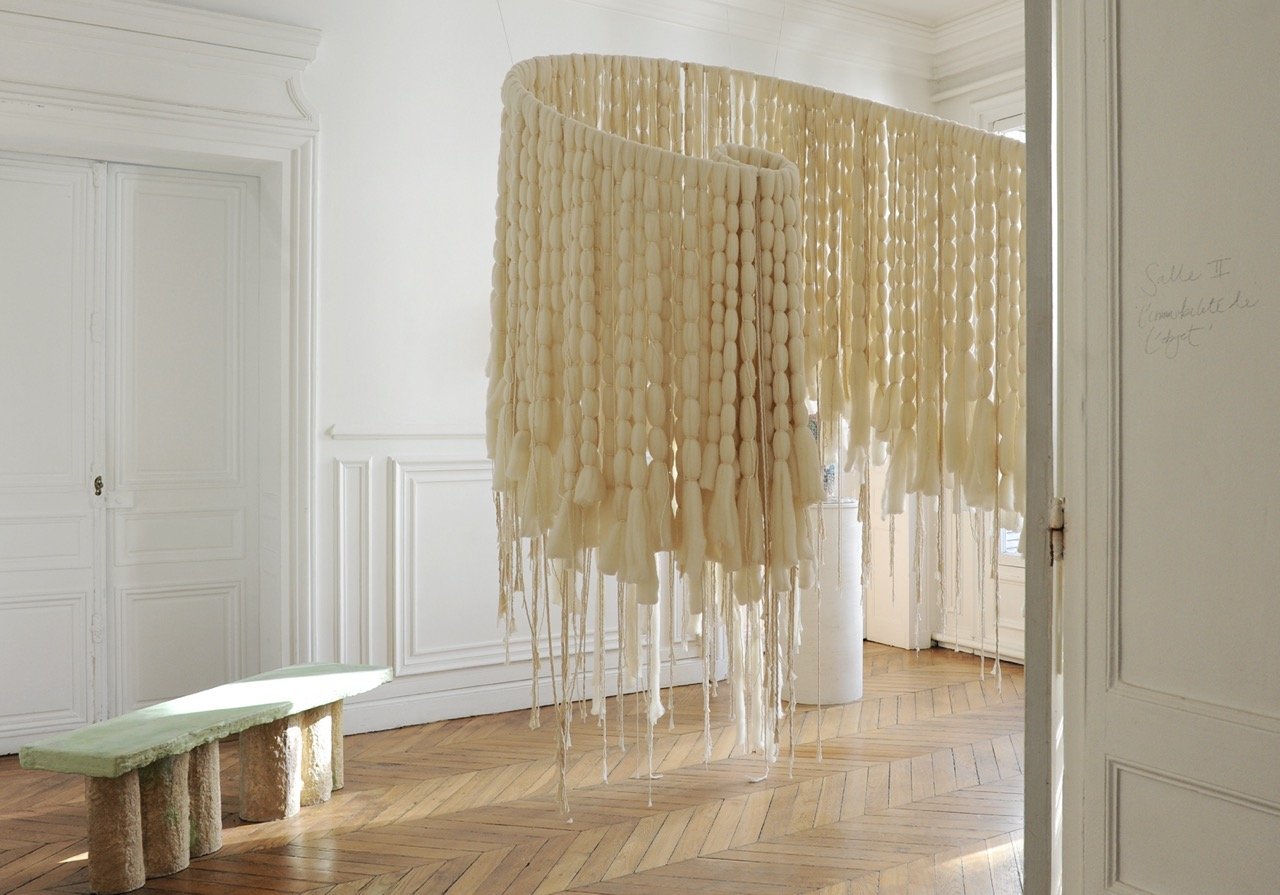
The immutability of an artwork refers to the belief that once created, it holds a lasting essence in form, meaning, or impact. Despite cultural, social, or technological changes, certain works maintain their relevance and emotional power across centuries. Yet this apparent permanence contains a paradox: the immutable object can live, die, and be reborn through transformation, reinterpretation, and material change.
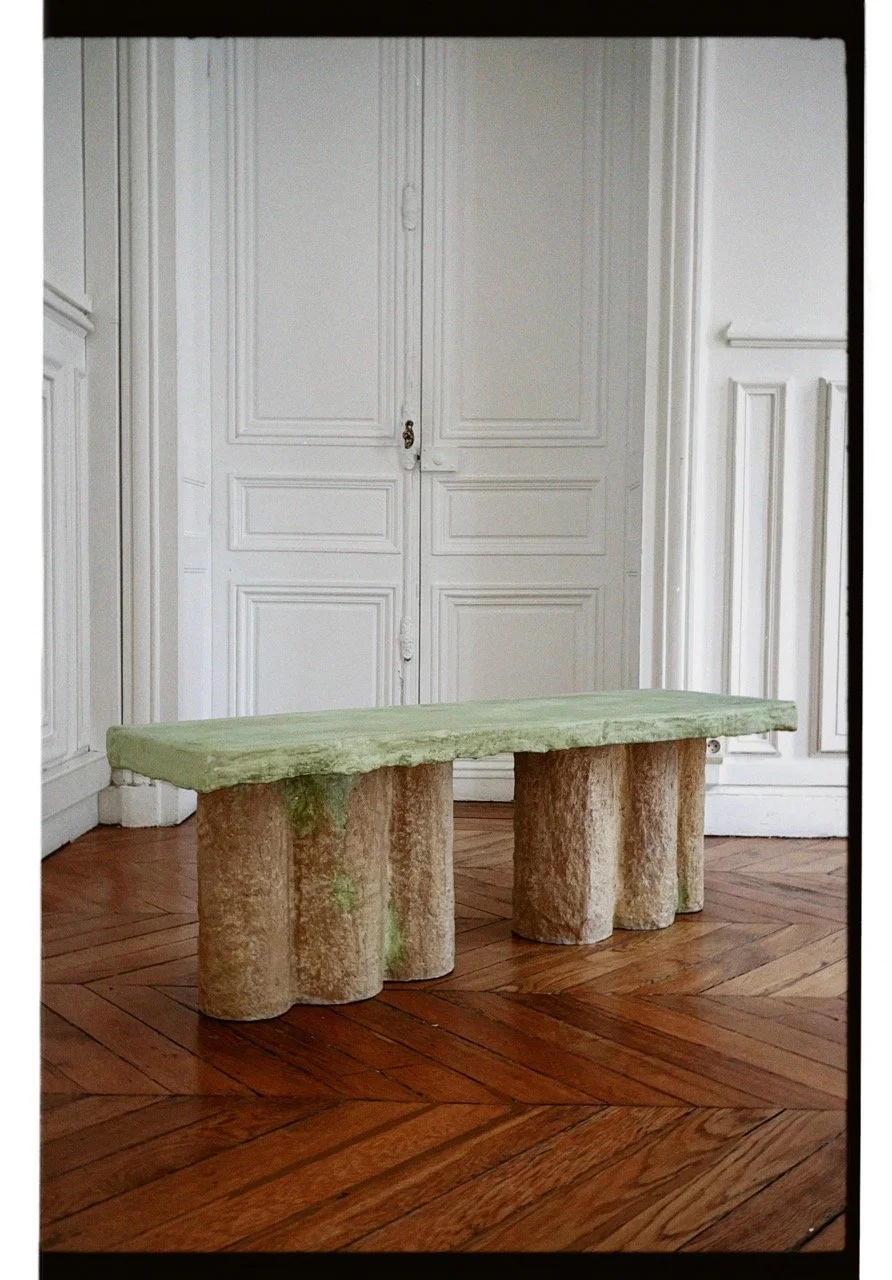
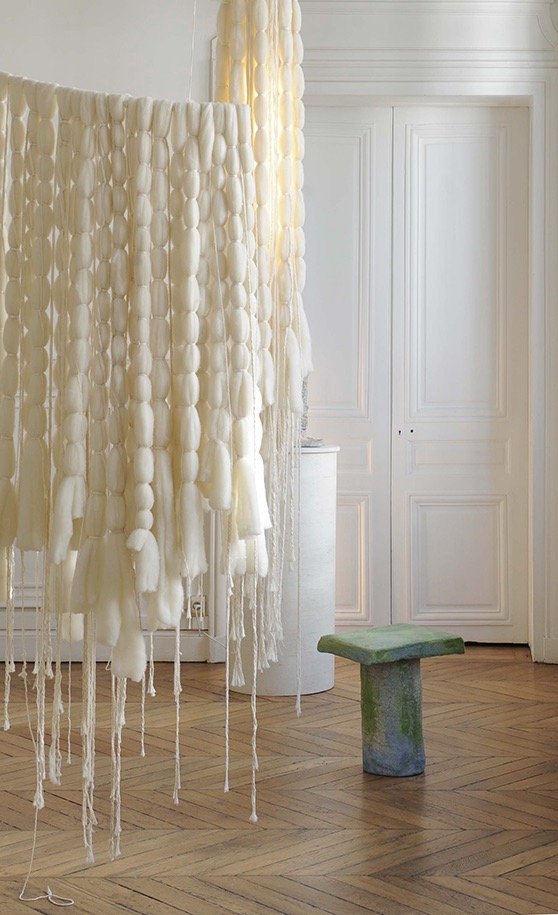
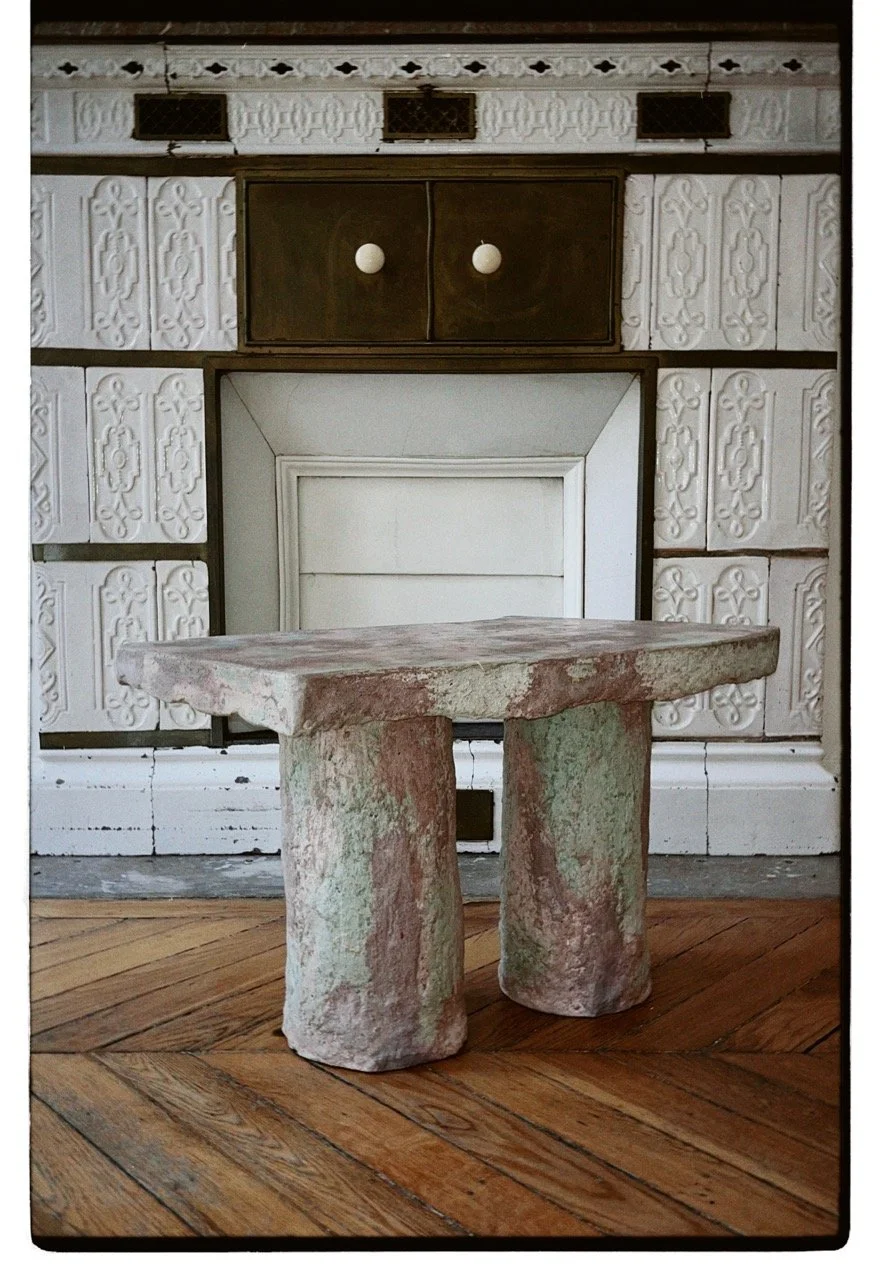
This idea of eternal transformation is explored by Sara Regal, whose practice begins with discarded materials that she reshapes and revalues. By giving them new form and purpose, she reveals their beauty while embedding environmental responsibility and added meaning. Similarly, immutability is challenged by time itself—no material is truly static, as erosion, wear, and shifting cultural interpretations continually reshape objects.
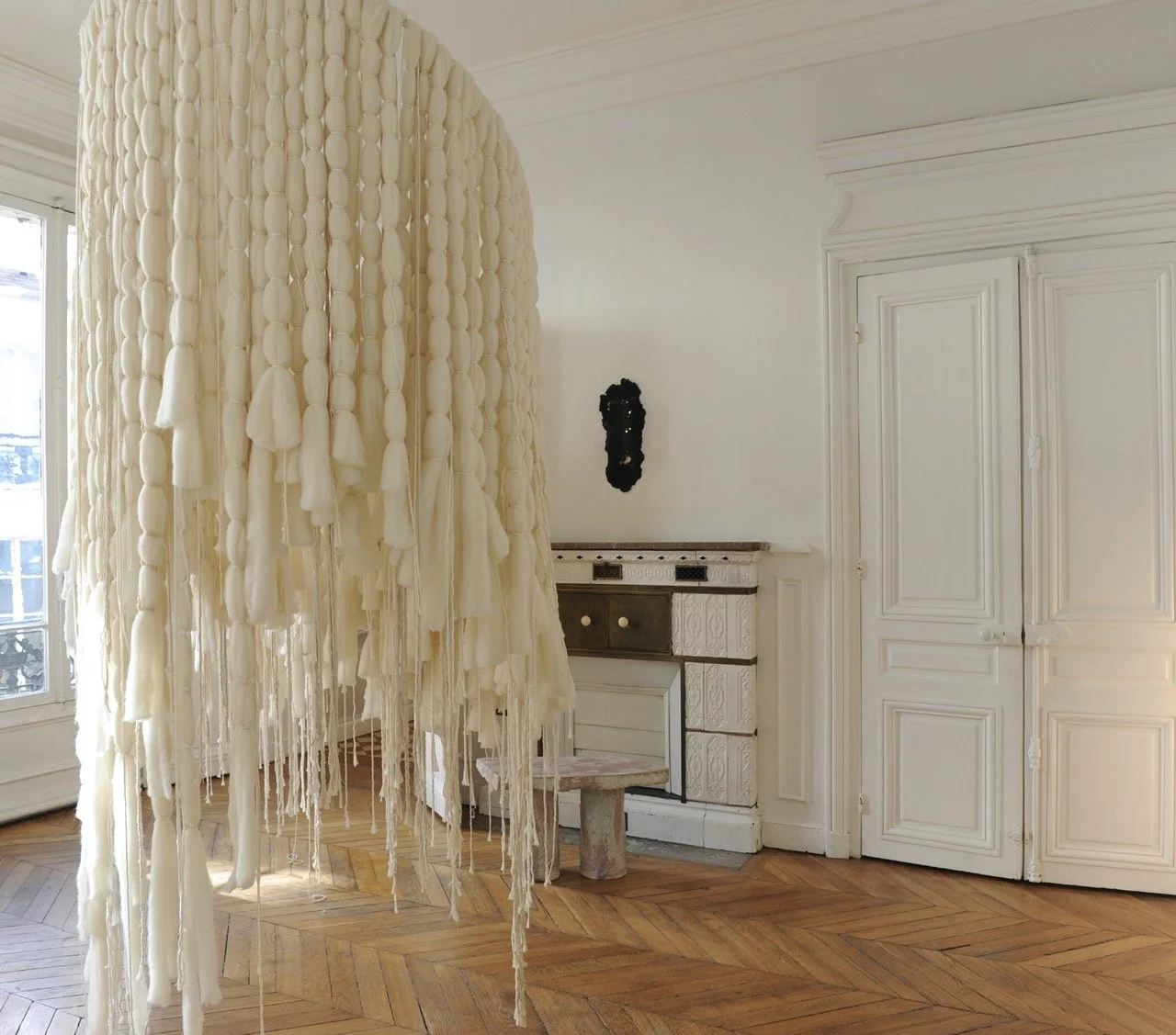
Sylvia Sánchez Montoya’s Moiras series embodies this tension between permanence and change. Inspired by the three fate-weaving goddesses associated with cosmic and natural cycles, the works are exposed to earth, air, water, and human interaction. As Sánchez Montoya explains, the pieces bear the imprint of time and only become complete through this process of transformation. In this sense, the “immutable” object is alive: its existence depends on observation, interpretation, and cultural engagement.
Durability, then, extends beyond material longevity to include symbolic and contextual value. An artwork may “die” by losing relevance or function, yet this death is often part of a larger cycle of renewal. The woven light sculptures of the Moiras series capture this human imprint on matter, emphasizing how art interacts with its environment. Monumental works such as Moiras Cosmos I actively transform space, altering perception and inviting viewers to explore relationships between inside and outside, above and below. Through this dialogue with space, art both shapes and is shaped by its surroundings, creating interdependent relationships between objects, environments, and human experience.s
Go deeper with Sara Regal HERE
ROOM IIIThe Cultural Object
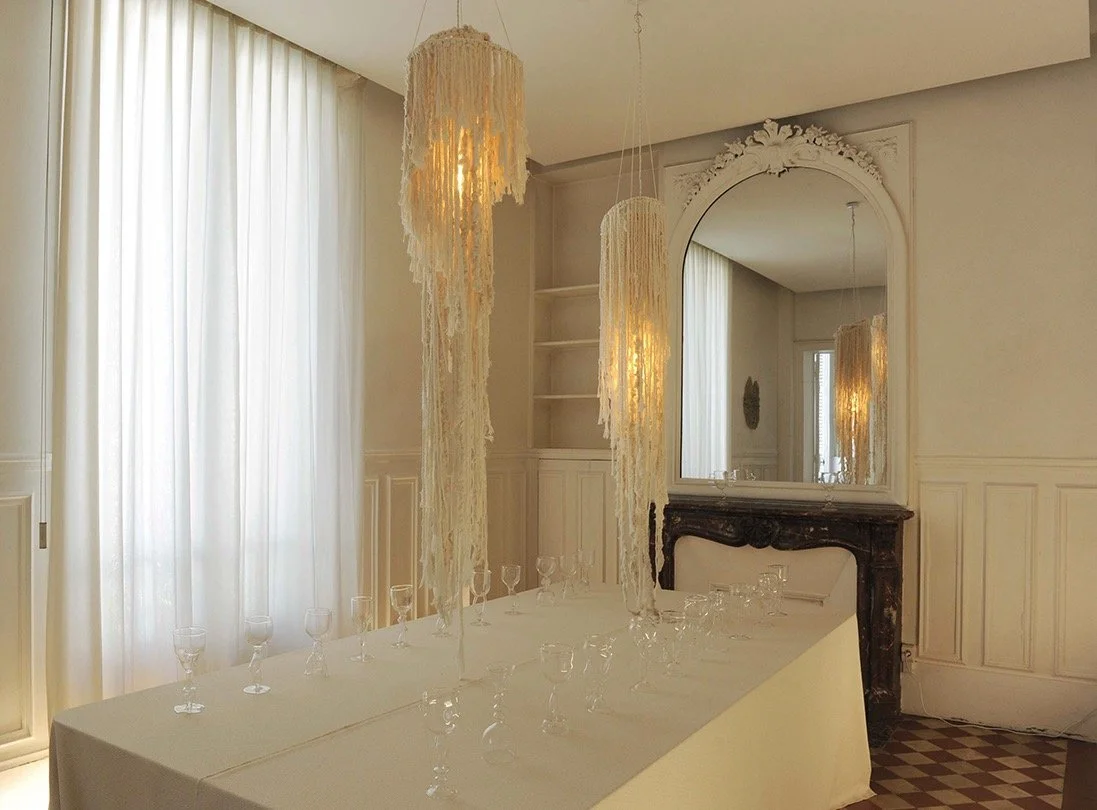
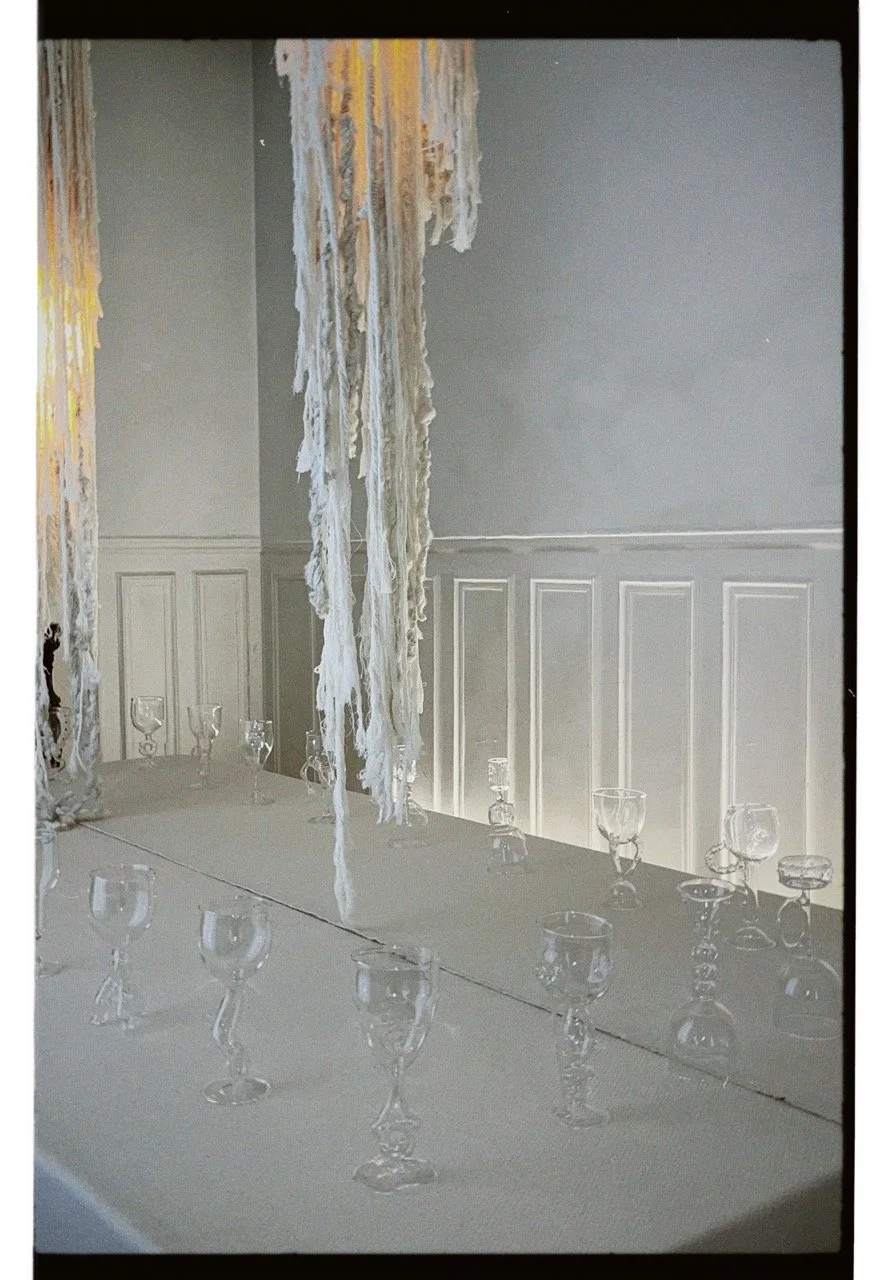
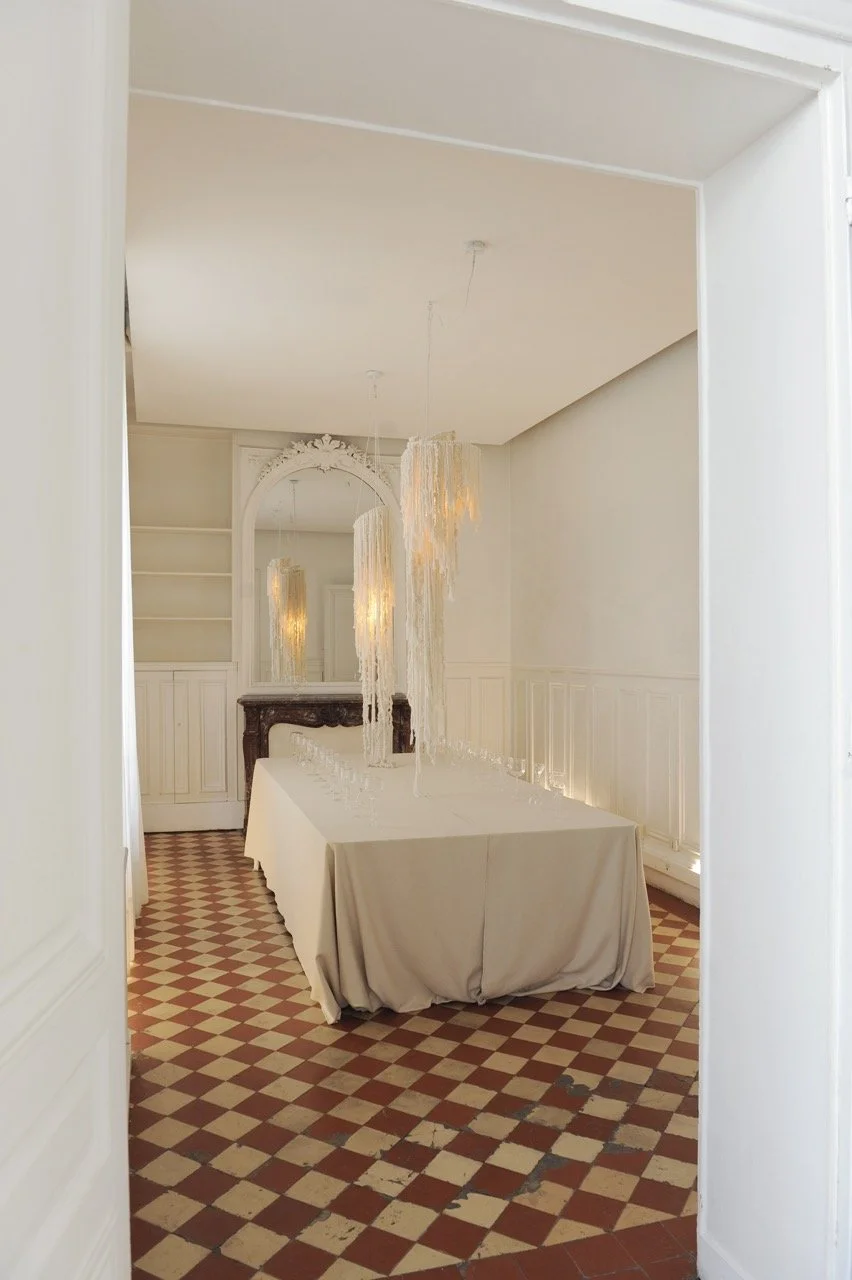
A ‘fogotten’ banquet table
Go deeper with Sylvia Sánchez Montoya HERE
The famous Mies van der Rohe’s principle “Form Follows Function” shaped modernist design, which dominated much of the last century. In response, Italian avant-garde groups such as Superstudio, Alchimia, or Memphis emerged between the 1960s and 1980s, prioritizing the emotional value of objects. This movement culminated in Philippe Starck’s citrus press, whose (mal)function he described as being to “spark a conversation.”
Marta Armengol, who embraces the concept of emotional design, challenges the user by overturning the original meaning of the object, repurposing materials, or even redefining its function. In her words: “exploring these objects and their symbolism by focusing on lies beyond our comprezhension or on their pure essence — their forms, uses, and materials — to create new interpretations.”
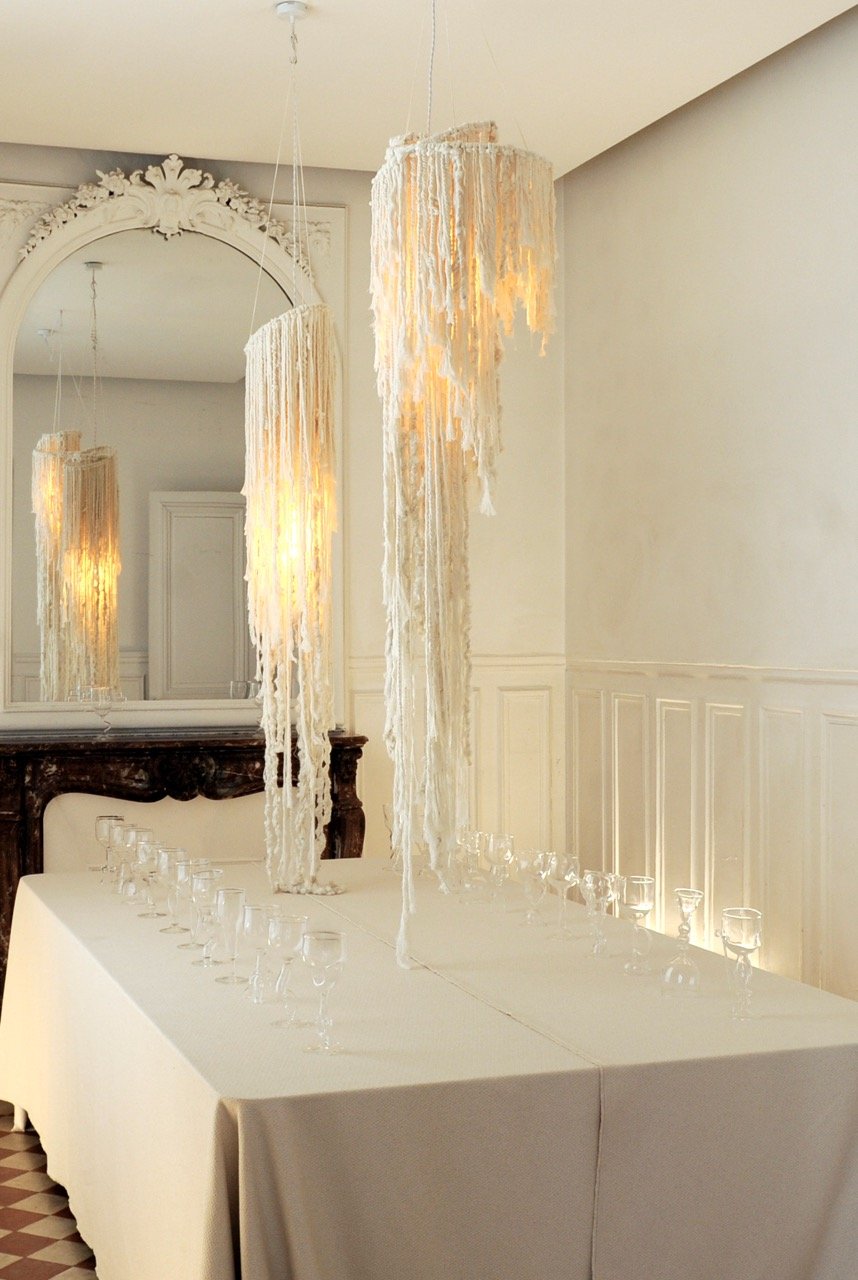
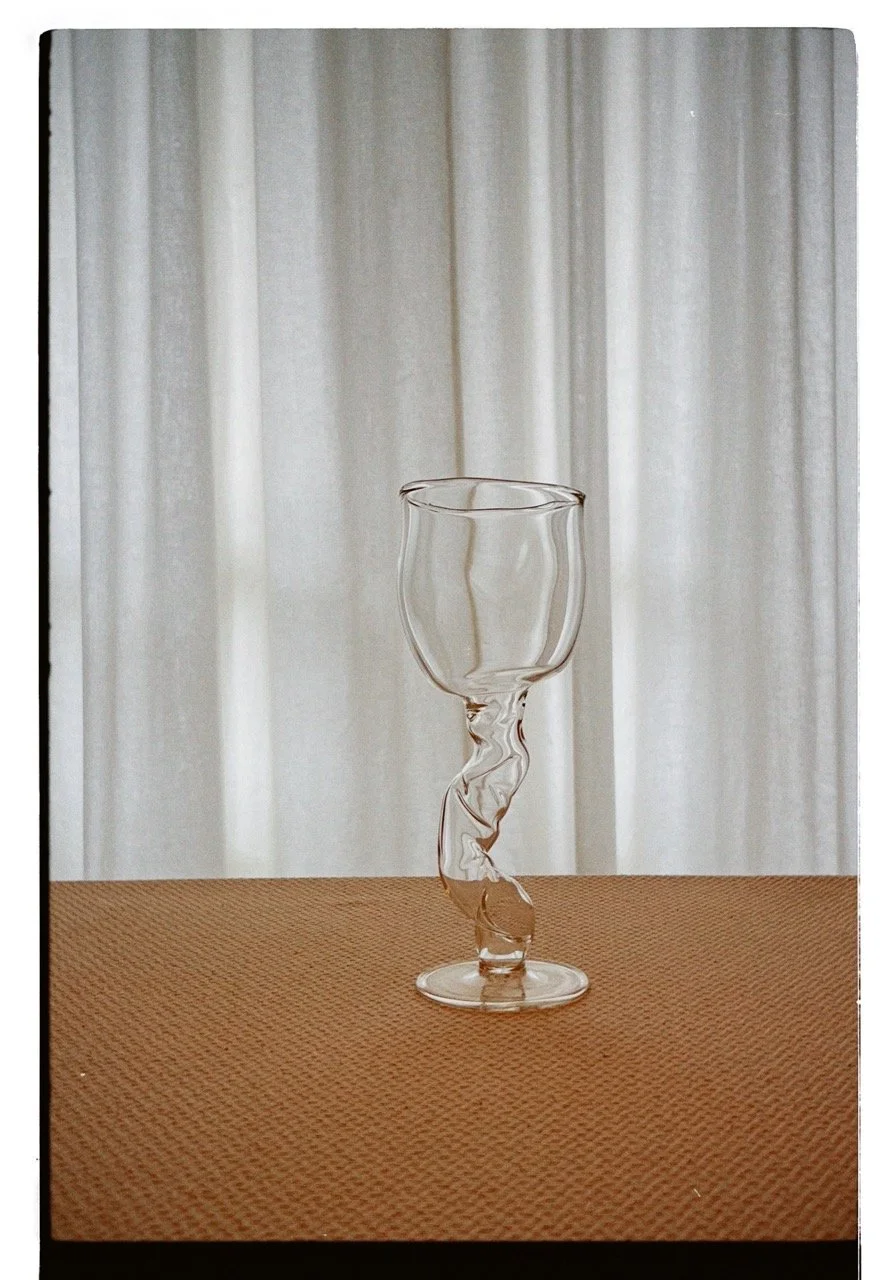
Additionally, by reflecting on the origin, creation, and function of an object, we develop a heightened awareness of the interconnections between people and things. A simple object like a glass, for instance from Marta Armengol’s collection, can prompt thoughts about the many hands that contributed to its creation — from the artist to the glassblower — linking us to a larger network of life and human activity. A concept also explored in Sylvia Sánchez Montoya’s work where both the importance of the place of origin and the people involved in sourcing the fiber, play a crucial role in the design of each Moira. Equally significant is the end user, whose interaction with the piece “completes” it.
In art, this connection between the object and the viewer can be seen as participatory art, where the audience is invited to contribute to the creation of the piece, thus blurring the lines between the artist and the public. This approach transforms the artwork into a collective experience, with each person interacting with the creative object participates in its meaning and evolution. These works bring people together around a shared experience and facilitate exchanges. Marta Armengol seeks to explore themes of ritual and sharing through a series of glasses “with slightly exuberant shapes,” focusing on the ritual of drinking and pointing out that “we often use them without considering or being aware of what we are doing.”
These objects also act as instruments of cultural transmission. An art object or artifact, for example, passed from one generation to the next or shared in a particular context, helps preserve and disseminate knowledge, traditions, and values.
Go deeper wih Marta Armengol HERE
Artis Facta a project by LeherpeurParis for Paris Design Week September 2024.
Concept, Curation and Art Direction: Sylvia Sánchez Montoya
Scenography in collaboration with: ADÈLE Collections
Photos: © Cécilia Jauniau et Claire O’keefe
Special thanks to Vasto, Mesura, Xisco Costa and Sabrina Pelissier